
Business News
Important Tax Deadlines & Events (Updated For 2026)
It is crucial to stay on top of key tax dates to keep your financial affairs in order. Here’s a friendly reminder of the important tax deadlines this year.
 Based On 100+ Google Reviews

It is crucial to stay on top of key tax dates to keep your financial affairs in order. Here’s a friendly reminder of the important tax deadlines this year.

Discover the suggested reimbursement rates for employees’ private mileage using their company car.

Now is the perfect time to review your finances and make sure you’re making the most of available tax reliefs and allowances.

It is that time of year again for staff parties and annual functions, so it is important to make sure you record it properly.

In an effort to reduce unfairness, the thresholds for the high-income child benefit charge (HICBC) will be increased from 2024/25.

Self-employed individuals with profits of more than £12,570 a year pay two types of NIC: Class 2 and Class 4.

Significant tax changes have been announced for individuals resident in the UK but not permanently settled here (known as non-domiciled).

The capital gains tax (CGT) annual exemption will drop to £3,000 in 2024/25, down from £6,000 in 2023/24. This change will mean that those selling capital assets such as property or shares will pay more tax.

If you let out residential or commercial property, the profits are taxed as part of your ‘other income’. If you sell property that has been rented out, capital gains tax is likely to apply. Generally, rental business activity attracts fewer tax reliefs than trading ventures.

The main rate of inheritance tax remains at 40%, reduced to 36% for estates where 10% or more is left to charity. The inheritance tax nil

From 1 July 2024, HMRC is going to reclassify double cab pick-ups as ‘cars’ for employment benefit and capital allowance purposes. Pick-ups acquired or ordered before 1 July will benefit from a transition period.

On top of the major changes to research and development (R&D) tax relief that took effect from 1 April 2023, there are yet more changes that take effect from 1 April 2024.

2022/23 income tax, CGT, class 2 and 4 NIC liabilities should have been paid by 31 January 2024 unless you have agreed
Now is the perfect time to review your finances and make sure you’re making the most of available tax reliefs and allowances.

Normally an individual’s payments into a pension scheme are limited to their relevant earnings in a given tax year. This restriction does not apply where the contributions are less than £3,600 gross, allowing parents and grandparents to make payments on behalf of children and grandchildren with limited income.

At this time of year, we think about New Year’s resolutions. It is also a good time to start planning your tax affairs before the end of the tax year on 5th April.

When considering the wording of your Will, you should note that the inheritance tax (IHT) nil rate band continues to be frozen at £325,000, subject to any announcements in the Spring Budget.

The Annual Investment Allowance (AIA) is now permanently set at £1million. This means that businesses can claim tax relief at 100% on up to £1million of expenditure on qualifying plant and machinery (e.g. capital equipment).

The biggest ever increase to the National Living Wage has been announced, with the government fully accepting the recommendations made by the Low Pay Commission. Eligibility for the

In recent years many accountants have advised their director/shareholder clients that the most tax efficient method of extracting profit from their family company was to pay themselves a low salary, at or around the £12,570 personal allowance, with the balance in dividends.

HMRC have recently clarified their view of the tax treatment of the reimbursement of electricity costs where employees charge their electric company cars at home. HMRC now accepts that reimbursing part of a domestic energy bill, which is used to charge a company car or van, is exempt from income tax. Their previous view was that such reimbursements were taxable.

The sale of shares is an exempt supply for VAT purposes, which means that input VAT on professional fees in connection with the

Since April 2014 members of a LLP are no longer automatically treated as self-employed for tax purposes.
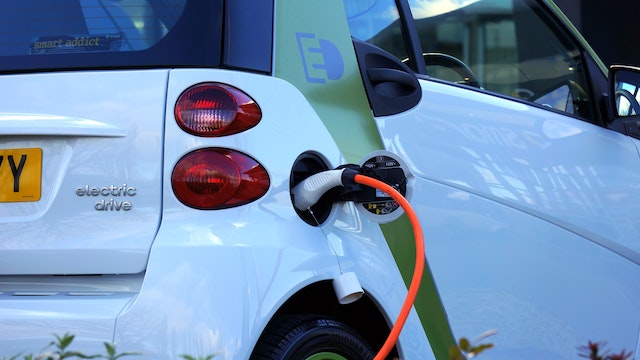
Employers investing in new vans will be rewarded for choosing zero-emission models. Not only will employees be able to use the vans privately without having to pay tax on the benefit, there will be no Class 1A National Insurance for the employer to pay either.

Recent Tribunal decisions in favour of employing companies and against HMRC has caused many organisations in similar circumstance to make protective claims for the recovery of National Insurance Contributions (NIC) in respect of car allowances paid to employees using their own cars or vans for business journeys.