
Business News
Important Tax Deadlines & Events (Updated For 2026)
It is crucial to stay on top of key tax dates to keep your financial affairs in order. Here’s a friendly reminder of the important tax deadlines this year.
 Based On 100+ Google Reviews

It is crucial to stay on top of key tax dates to keep your financial affairs in order. Here’s a friendly reminder of the important tax deadlines this year.

Discover the suggested reimbursement rates for employees’ private mileage using their company car.

Now is the perfect time to review your finances and make sure you’re making the most of available tax reliefs and allowances.

It is that time of year again for staff parties and annual functions, so it is important to make sure you record it properly.

Our team member Katie will be taking on the marathon in support of Royal Manchester Children’s Hospital. It’s a fantastic cause and one that makes a real difference to the lives of children and families across our region.

A recent VAT case has raised important questions around the correct VAT treatment of public electric vehicle charging.

Recent developments indicate a clear shift in HMRC’s approach to monitoring dividends and transactions between companies and their shareholders. With new consultations and expanded data collection, there is a growing focus on transparency and compliance for close companies.

Each new tax year introduces a range of updates, and while some thresholds remain unchanged for 2026/27, a number of targeted changes will have a direct impact on business owners and shareholders. Understanding these developments early allows for more effective planning and informed decision-making.

Making Tax Digital for Income Tax has officially started from 6 April 2026 for self-employed individuals and landlords with qualifying income over £50,000. HMRC’s qualifying income test is based on gross income from self-employment and property, not net profit.

A final reminder for any businesses that source workers through third parties, such as agencies or umbrella companies. New rules will come into effect from 6 April 2026 that could have significant tax implications.

As we approach the new tax year, it is worth remembering that the flat-rate figures used in calculating certain employer-provided vehicle benefits will increase in line with inflation from 6 April 2026.

HMRC have published new advisory fuel rates from 1 March 2026. These are the suggested reimbursement rates for employees’ private mileage using their company car. Where the employer does not pay for any fuel for the company car, these are the amounts that can be reimbursed in respect of business journeys without the amount being taxable on the employee.

If you have paid too much tax, perhaps because of an error on a tax return or because you believe an amount assessed by HMRC was incorrect, there are ways to reclaim the overpaid tax.

Under the new system, individuals will be required to keep digital records and submit quarterly updates to HMRC. The first quarterly update will be due by 7 August 2026.

During a week dominated by news from the Middle East, the Chancellor, Rachel Reeves, presented the government’s Spring Forecast to Parliament on 3 March 2026.


If you own a business or agricultural land, the last few months have probably felt unsettled. The proposed changes to Inheritance Tax (IHT) reliefs created real concern for many family businesses and farming families who rely on Agricultural Property Relief (APR) and Business Property Relief (BPR) to pass assets down the generations.

If you complete a Self Assessment tax return, you’ve probably been hearing about Making Tax Digital (MTD) for what feels like a long time. The change is now very real, and the first wave of taxpayers will be brought into the regime from 6 April 2026.

Many employees have relied on tax relief for the costs of working from home since the pandemic. However, the rules are changing, and it is worth understanding what this means for you before the next tax year begins.

With the tax and financial year end fast approaching on 5 April 2026, now is the moment to make sure you are not leaving money on the table. A little planning now can make a real difference to your tax position, your cash flow, and your longer-term financial security.

With just 10 weeks or so to go until the new tax year, many businesses are preparing for the changes that Making Tax Digital (MTD) will bring. From April, sole traders and landlords with an income of over £50,000 will need to submit quarterly updates to HMRC

From 6 April 2026, employees will no longer be able to claim a tax deduction for expenses incurred while working from home.
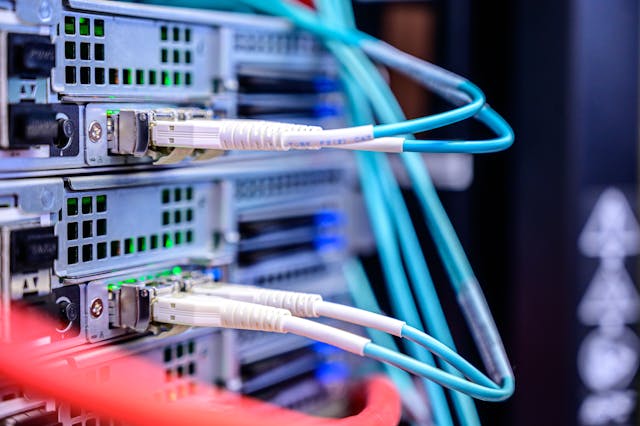
E-invoicing is set to become increasingly important over the coming years, following confirmation from the government that electronic invoicing for VAT will be mandated from 2029.

For some employees, this change may appear to result in paying tax twice on a benefit in the first year. This will usually reflect a transition period, where tax is being paid in real time on current benefits while tax relating to benefits from earlier years is still being settled.

As we move into the new year, it is a good time to review the key tax dates and obligations coming up over the next couple of months.