Significant changes proposed to workers’ rights

The government published the Employment Rights Bill in October, which is intended to help deliver economic security and growth to businesses, workers and communities across the UK.

The bill will bring forward 28 individual employment reforms, from ending exploitative zero hours contracts and fire and rehire practices to establishing day one rights for paternity, parental and bereavement leave for millions of workers. Statutory sick pay will also be strengthened, removing the lower earnings limit for all workers and cutting out the waiting period before sick pay kicks in. The existing two-year qualifying period for protections from unfair dismissal will be removed, ensuring that all workers have a right to these protections from day one on the job.

The government will also consult on a new statutory probation period for companies’ new hires. This will allow for a proper assessment of an employee’s suitability to a role as well as reassuring employees that they have rights from day one.

The bill will end exploitative zero hours contracts, following research that shows 84% of zero hours workers would rather have guaranteed hours. They, along with those on low hours contracts, will now have the right to a guaranteed hours contract if they work regular hours over a defined period, giving them security of earnings whilst allowing people to remain on zero hours contracts where they prefer to.

The bill will also:

  • Change the law to make flexible working the default for all, unless the employer can prove it’s unreasonable;
  • Set a clear standard for employers by establishing a new right to bereavement leave;
  • Deliver stronger protections for pregnant women and new mothers returning to work, including protection from dismissal whilst pregnant, on maternity leave and within six months of returning to work;
  • Tackle low pay by accounting for cost of living when setting the Minimum Wage and remove discriminatory age bands; and
  • Establish a new Fair Work Agency that will bring together different government enforcement bodies, enforce holiday pay for the first time and strengthen statutory sick pay.

An Impact Assessment for the bill has been published suggesting the measures will impose a direct cost on business of up to £5 billion a year. It suggests that these costs are relatively modest since they estimate that the uplift in wage bill for employers in lower-paid sectors would be 1.5% at most. However, it also found that several of the measures will have a disproportionate impact on small and micro employers.

The government has launched consultations on 4 areas of the proposed legislation, which will be incorporated as amendments to the bill in the early part of 2025. In the meantime, the bill is at committee stage in Parliament, where it is being given a detailed examination.

Employers should prepare by looking at how the bill will affect their employment procedures and budgeting for any increased costs.

Need more information?

At A&C Chartered Accountants, we’re not just accountants; we’re your partners in success. Based in Manchester, our experienced team handles everything from managing limited company and sole trader accounts to expertly navigating tax returns. Beyond financials, we play a crucial role in driving your business’s growth, strategically steering it towards success with confidence and clarity.

See what our clients say

Chancellor pushes for e-invoicing

Could that help or hinder your business?

As part of a series of announcements made in recent weeks by the Chancellor, the government is making a push for greater use of electronic invoicing (e-invoicing).

HM Revenue and Customs (HMRC) will soon launch a consultation on encouraging the wider use of e-invoicing, with the goal of simplifying business transactions and reducing administrative burdens but perhaps especially, reducing errors in tax returns so that HMRC can ‘close the tax gap’.

While there are clearly advantages for HMRC in businesses using e-invoices, it’s also fair to say that they can benefit businesses too.

Benefits of e-invoicing for businesses:

  • Improved cash flow: E-invoicing accelerates payment times by automating the invoice approval process, making it easier for businesses to receive payments quickly.
  • Reduced errors: Automated processes can help minimise the risks of manual entry errors in invoices, which can lead to payment delays or disputes.
  • Increased productivity: With fewer administrative tasks, businesses can save time and focus on other essential areas, such as growth and customer service.
  • Tax compliance: E-invoicing can help businesses keep accurate tax records, making it easier to complete tax returns and avoid discrepancies that may lead to penalties.

How could you take advantage of e-invoicing?

While the consultation is yet to launch, there’s no reason you couldn’t give some thought to moving over to an e-invoicing system now.

To do this, you could explore the options available. Many software providers offer affordable solutions tailored to SMEs that work with your existing accounting software. You may find that the software you already use can do e-invoicing for you.

If you need any help with e-invoicing or setting up your accounting software, please just give us a call and we would be happy to help you out.

Need more information?

At A&C Chartered Accountants, we’re not just accountants; we’re your partners in success. Based in Manchester, our experienced team handles everything from managing limited company and sole trader accounts to expertly navigating tax returns. Beyond financials, we play a crucial role in driving your business’s growth, strategically steering it towards success with confidence and clarity.

See what our clients say

What Does the Latest Budget Mean for Your Business?

On 30th October 2024, Rachel Reeves made history as the first female Chancellor of the Exchequer to deliver a Budget speech. The occasion was significant on many levels, but as the speech concluded, it left mixed feelings among business owners. While the Budget had its silver linings for workers, many businesses will face new financial challenges.

Addressing the Public Finance Deficit

From the outset, the Chancellor addressed the difficult decisions ahead, pointing to the £22 billion deficit in public finances left by the previous government. Despite these challenges, the Budget perhaps didn’t feel as taxing as we may have feared. The main revenue-raising measure, an increase in Employers’ National Insurance (NI), was no surprise, having been signalled well in advance.

Stability for Workers, Challenges for Businesses

For employees, the Budget maintained the status quo, with no increases to income tax, national insurance, or VAT. The previous government’s freeze on personal allowances and tax rate bands remains, which means as wages rise, more income could be taxed at higher rates through ‘fiscal drag.’ However, from 2028-29, the Chancellor has pledged to index personal tax thresholds to inflation once more, a small win for taxpayers down the line.

Businesses, on the other hand, have been hit harder, mainly due to the rise in Employers’ NI contributions and an increase in minimum wage rates.

Retail, Hospitality, and Leisure – A Mixed Bag of Support

Retail, hospitality, and leisure (RHL) businesses saw some targeted relief, including a 40% discount on business rates, capped at £110,000 per business, alongside a freeze on the small business multiplier in 2025-26. Looking forward, the government plans to establish permanently reduced tax rates for RHL properties by 2026-27, which could provide long-term relief to these sectors.

New Opportunities for Contracts and Public Services

On a positive note, the Budget also announced investments in public services and home building, which could open doors for contracts and opportunities across various sectors.

How Will the Budget Impact Your Business?

If you’re wondering how these changes might affect your business, especially around payroll costs and tax planning, get in touch with A&C Chartered Accountants. We’re here to offer clear guidance and personalised advice, ensuring your business is well-prepared and equipped for the financial landscape ahead.

Need more information?

At A&C Chartered Accountants, we’re not just accountants; we’re your partners in success. Based in Manchester, our experienced team handles everything from managing limited company and sole trader accounts to expertly navigating tax returns. Beyond financials, we play a crucial role in driving your business’s growth, strategically steering it towards success with confidence and clarity.

See what our clients say

Autumn 2024 Budget at a glance

In the lead-up to Labour’s first Budget, the new Chancellor introduced sweeping reforms. Though these measures may bring challenges for some, they reflect a bold approach to addressing the UK’s critical need for infrastructure and essential services funding. Recent Budgets have relied heavily on band freezes – a subtle but effective tax rise. While IHT bands remain frozen, income tax bands will finally unfreeze, though not without a few more years of stealth tax revenues added by previous policies.

Significant changes were also made to longstanding IHT reliefs: Agricultural Property and Business Reliefs are now capped at £1 million and halved above that amount. As predicted, inherited pensions will also face IHT from April 2027. Capital Gains Tax (CGT) rates are aligned with higher residential property rates, and the Business Asset Disposal Relief (BADR) rate will phase up gradually, bringing it closer to the main CGT rate. Employers, too, will face an increase in National Insurance, marking a shift from Labour’s earlier stance against such hikes.


Please find below a round up of the key highlights of budget:


National Living Wage

    • Minimum wages will increase from April 2025, with the rate for those over 21 rising from £11.44 to £12.21 an hour.
    • Rates for 18 to 20-year-olds will go from £8.60 to £10, and apprenticeship wages will increase from £6.40 to £7.55.
    • The government aims to work towards a unified adult minimum wage over time.

Employers’ National Insurance Contributions

      • Employers’ National Insurance contributions will rise from 13.8% to 15% starting April 2025.
      • The threshold for paying NI will be reduced from £9,100 to £5,000, while the employment allowance for smaller businesses will increase from £5,000 to £10,500.
      • Employee NI, VAT, and income tax rates remain unchanged, with personal tax thresholds set to align with inflation from 2028-29.

Business Asset Disposal Relief (BADR)

    • BADR will stay at 10% for the rest of this year, increasing to 14% in 2025/26 and 18% from 2026/27.
    • The lifetime limit for BADR remains at £1 million.

Capital Gains Tax (CGT)

    • CGT rates have risen, with the lower rate increasing from 10% to 18% and the higher rate from 20% to 24%, applicable immediately.
    • Rates on the sale of second residential properties will remain consistent at 18% and 24%.

Inheritance Tax (IHT)

    • IHT threshold freezes will continue for another two years, until 2030.
    • Inherited pensions will enter the IHT net starting April 2027.

Electric Vehicles (EVs)

    • Existing company car tax incentives for EVs will remain in place until 2028.
    • The differential for EVs in Vehicle Excise Duty rates will increase from April 2025.

Non-Dom Tax Regime

    • The non-dom tax status will be abolished, effective from April 2025, with domicile-based tax replaced by a residence-based system, aimed at internationally competitive arrangements for temporary UK residents.
    • This measure is expected to generate £12.7 billion in revenue over five years.

Stamp Duty on Second Homes

    • Stamp Duty for second homes will increase from 3% to 5%.

Private Schools

    • Private school fees will incur VAT from January 2025, and business rates relief will be removed from April 2025.

State Pensions

    • The state pension will see a 4.1% increase in 2025-26, following the government’s commitment to the triple lock policy.

Need more information?

We offer a wide range of services which are unique to your businesses who are just getting going! Our team of chartered accountants have a wealth of experience in a broad range of sectors, from construction and property to the charity sector. Our team work hard to ensure they create smart and effective tax-efficient solutions for start-ups to optimise growth and help them succeed. If you want to learn more about how the team can help or simply want some start-up advice from a trusted accountant do hesitate to contact us. For more information please do hesitate to contact us on 0161 962 1855. Alternatively you can email us using the form below and we will contact you as soon as possible.

Our fantastic team at A&C Chartered Accountants are here to help.

New Rules on Tips, Gratuities and Service Charges

If you have a business where your staff receive tips, gratuities and service charges (“tips”) there are important changes in force from 1 October 2024.

The Employment (Allocation of Tips) Act 2023, effective from October 2024, ensures that tips, gratuities, and service charges are distributed fairly and transparently among workers, including eligible agency staff. This law responds to the rise in tipping via card payments, which often become the legal property of employers. The new legislation aims to ensure that workers, especially in the hospitality sector, receive 100% of tips paid by card. Additionally, tips cannot count towards the National Minimum Wage, and a statutory Code of Practice guides employers in fair distribution.

By law, employers must:

  • Pass tips to employees without deductions, except for tax and National Insurance.
  • Distribute tips fairly and transparently, following the Code of Practice.
  • Maintain a written policy on tips and keep proper records.

Employers are required to ensure that tips are shared equitably among workers and to regularly review their tipping policies to ensure compliance with the law.

What is covered by the Tips Act?

It applies to all “qualifying tips, gratuities and service charges”, and applies to the full amount paid by the customer.

  • Tips / Gratuities: spontaneous payments offered by the customer, either by cash or card payment.
  • Service Charges: amounts added to a customer’s bill before it is presented to them, often a percentage.

It is important to note that tips paid directly to workers are only ‘qualifying’ tips if they are subject to the employer’s control, such as where the policy is for all tips to be shared amongst all workers.

The Tips Act applies to all employer-received tips and certain worker-received tips. Not all tips fall within the scope of the Tips Act and are covered by the Code. For example, if a worker receives and keeps a cash tip, with no employer control or involvement, the tip is out of scope for the Tips Act and the Code.

Tipping apps are a grey area, but where this involves operating according to an employer’s instructions (as is often the case) then this will fall within the scope of the Tips Act. Employers will also not be off the hook if an independent tronc operator is used. To maintain a fair allocation of tips, an employer must act to rectify a situation if it becomes aware of an independent tronc operator acting in an unfair or improper manner, otherwise an employer may be liable for claims against it.

Fair allocation and payment

Employers must ensure that the total amount of the qualifying tips, gratuities and service charges is allocated fairly between the workers. This means 100% must be paid less deductions that are required under tax law.

In the majority of cases, the fair allocation must then be paid to the workers no later than the end of the month following the month in which the tip/gratuity/service charge was paid by the customer. For example a tip left on 15 July must be paid by 31 August at the latest. There are some variations to this for where an independent tronc operator manages the tips, tips are paid to eligible agency workers, and non-public places of business.

What is a fair allocation?

Along with the Tips Act, a statutory Code of Practice on Tipping has been introduced setting out the principles of fairness and transparency to which employers must have regard. Failure to comply with the Code will be admissible in evidence at an employment tribunal and the tribunal will have to take it into account.

The Code sets out some key principles and suggestions:

  • There may be reasons to have different proportions for different workers.
  • All workers involved in the service should be considered, including agency workers.
  • There should be a clear and objective set of factors set by the employer, such as the role, payment, hours worked, performance, seniority, length of service or customer intentions.
  • Employers should avoid indirect or unintentional discrimination.
  • It may be helpful to consult the workers and review the approach regularly.

What else does the Tips Act require?

Written Policy

Employers are required to have a written policy on tipping where tips/gratuities/service charges are paid on more than an occasional and exceptional basis. The policy should set out written guidelines and the factors for determining the fair allocation and made available to all workers.

Record keeping

Where tipping is on more than an occasional and exceptional basis, employers must keep records of how every tip has been dealt with and must keep this information for three years. Note that workers have a right to request this information over the period during which they worked for the employer during that timeframe.

Non-statutory Guidance

A guidance note has also been published on 27 September, which gives helpful guidance to support the new Tips Act. This includes:

  • Agency workers: Employers must take agency workers into account when considering the distribution of tips. Agency workers may not always receive an equal share of tips in comparison to an organisation’s own employees depending on the particular circumstances, however they should not be unduly disadvantaged as a result of their employment status.
  • Multiple sites of operation: Employers should not pool tips received across multiple sites or branches.
  • Scope of workers: All workers directly involved in providing a service to customers should be considered.


Please do contact us if you require more information.

Beware of “Bed and Breakfast” Anti-Avoidance Rules: An Ethical Approach

With potential Capital Gains Tax (CGT) changes on the horizon, many investors are thinking about realising gains on their investments before the budget announcement on 30 October 2024. However, if you plan to repurchase the same investments afterwards, it’s crucial to understand the “bed and breakfast” anti-avoidance rules to ensure you’re acting within both the spirit and letter of the law.

These rules prevent individuals from realising a capital gain, selling shares, and then repurchasing the same shares within 30 days to create an artificial tax advantage. If this happens, the shares bought back will be matched with those sold, and the capital gain you’re trying to realise could be negated, as the base cost of the shares would remain the same.

For example, if you bought 1,000 shares in Company A for £2 per share several years ago and sell them on 29 October 2024 for £4.50 a share, you’d realise a gain of £2,500. This gain may be covered by your 2024/25 annual CGT exemption if it hasn’t been used yet. However, if you repurchase the same shares on 5 November 2024 for £4.45 per share, you’d instead generate a £50 capital loss, and the base cost of the shares would remain at £2 per share due to the 30-day rule. This eliminates any tax advantage that would have come from manipulating the timing of transactions.

To avoid any unintended consequences, and in keeping with ethical tax planning, it’s better to consider alternative strategies, such as purchasing different shares or using your ISA or pension fund, where CGT does not apply. For couples, another ethical option could be for your spouse to purchase the shares (“bed and spousing”) without exploiting loopholes.

We always encourage responsible and ethical financial strategies that comply fully with UK tax law. If you’re concerned about CGT changes or want to discuss ethical ways to manage your investments, get in touch with our team for expert guidance.

Check your State Pension entitlement

The current State Pension is £11,502 per year and is expected to rise to around £12,000 for the 2025/26 tax year. To put this into perspective, at today’s annuity rates, it would cost over £300,000 to purchase an index-linked annuity starting at £12,000 a year. This highlights the importance of maximising your State Pension entitlement.

To receive the full State Pension, you need 35 qualifying years of National Insurance (NI) contributions. If you have missing years, you may be wondering if it’s worth topping up voluntary Class 3 NI contributions. This decision is financial, but the breakeven period is relatively short—approximately three years for employees, and even less for self-employed individuals who can pay Class 2 contributions for missing years. Additionally, if you weren’t working due to raising children, you may be eligible for NI credits to help fill in those gaps.

For employees, making Class 3 contributions costs £824.20 or £907.40 per year for missing years, which can result in an extra £302.86 annually in State Pension. For the self-employed, Class 2 contributions cost just £179.40 per year for each missing year and provide the same £302.86 annual pension increase.

While normally you can only go back six years to make up missing contributions, there is a current opportunity to fill in gaps going back as far as 2006/07. The deadline for this extended carry-back is 5 April 2025, so if you’re looking to maximise your pension, now is a good time to review your records.

At A&C Chartered Accountants, we can help you navigate the complexities of your pension contributions and determine whether topping up your National Insurance is the right move for your financial future. Get in touch if you’d like to discuss your options.

Need more information?

At A&C Chartered Accountants, we’re not just accountants; we’re your partners in success. Based in Manchester, our experienced team handles everything from managing limited company and sole trader accounts to expertly navigating tax returns. Beyond financials, we play a crucial role in driving your business’s growth, strategically steering it towards success with confidence and clarity.

See what our clients say

Many Over 55s Can Still Withdraw 25% of Their Pension Fund Tax-Free

Under the current pension rules, many people over the age of 55 can withdraw up to 25% of their pension savings tax-free. However, the Finance Act 2023 set a cap on the tax-free amount at £268,275, unless the individual has applied for protection at a higher threshold. Recently, there have been rumours that this tax-free limit may be reduced further, with a suggested new cap of £100,000. These rumours have led to a surge in pension withdrawals as individuals seek to take advantage of the current rules before any changes are made.

It’s important to remember that there are anti-avoidance rules in place to prevent pension lump sum “recycling.” These rules limit how much of the withdrawn lump sum can be reinvested into a pension fund within a 12-month period. If a lump sum of more than £7,500 is withdrawn in a single year and subsequent pension contributions increase by more than 30% of that lump sum, the amount will be treated as an unauthorised payment. This could result in a tax charge of 40%.

With potential changes looming, now may be the time to review your pension strategy. At A&C Chartered Accountants, we can help guide you through the complexities of pension withdrawals and tax implications to ensure you make the most of your retirement savings while avoiding unnecessary penalties.

Should You Bring Forward Asset Disposals Before Budget Day?

With potential changes to Capital Gains Tax (CGT) on the horizon, many taxpayers are considering bringing forward their asset disposals to take advantage of the current rates. Although CGT changes typically take effect from 6 April, there have been instances of mid-year changes in the past, which is causing some concern.

It’s important to note that the disposal date for CGT purposes is the date when contracts are unconditionally exchanged. However, be aware that anti-forestalling legislation may be introduced to prevent artificially bringing forward disposal dates to sidestep any new rules.

There’s still time to sell listed investments before the budget announcement, but for assets such as businesses or property, the process generally takes longer unless a buyer is already lined up. If you’re considering selling assets ahead of any potential changes, we recommend acting sooner rather than later.

We can guide you through the implications of any upcoming CGT changes and help you make informed decisions regarding asset disposals. If you’d like to discuss your options, get in touch with us today.

Need more information?

At A&C Chartered Accountants, we’re not just accountants; we’re your partners in success. Based in Manchester, our experienced team handles everything from managing limited company and sole trader accounts to expertly navigating tax returns. Beyond financials, we play a crucial role in driving your business’s growth, strategically steering it towards success with confidence and clarity.

See what our clients say

Possible Changes to Capital Gains Tax in the October Budget: What to Expect

With the October budget approaching, many are speculating about potential changes to Capital Gains Tax (CGT), which could have a significant impact on business owners, entrepreneurs, and investors alike. One of the most talked-about possibilities is the alignment of CGT rates with income tax rates – a move reminiscent of the regime under Gordon Brown when he served as chancellor. Given Rachel Reeves’ admiration for Gordon Brown’s approach, we might also see a return to taper relief, which could benefit long-term investments.

At A&C Chartered Accountants, we’re keeping a close eye on the possibility of the reintroduction of Business Asset Taper Relief. This could reduce the effective CGT rate to as low as 10% after 10 years of ownership, encouraging long-term investment and entrepreneurship. However, it’s crucial to remember that any relief could come with stricter conditions, especially if the government tightens eligibility criteria further. Many business owners are hoping that Business Asset Disposal Relief (BADR) – or something similar – is retained, to continue incentivising entrepreneurship and growth.

In addition to these potential changes, there may be further restrictions on Private Residence Relief or adjustments to Hold Over Relief for transfers into and out of trusts. Another controversial change to watch out for is the possible removal of the CGT-free uplift to probate value on death, as previously suggested by the now-defunct Office of Tax Simplification (OTS). This change could mean beneficiaries inherit the deceased’s original CGT base cost, rather than the current probate value – potentially leading to larger tax liabilities upon the sale of inherited assets.

As we await the budget announcement, our team at A&C Chartered Accountants will continue to monitor the situation closely, ensuring we provide up-to-date advice to help you navigate any changes. If you’re concerned about how these potential CGT reforms could affect you or your business, get in touch with us to discuss tailored strategies to mitigate your capital gains tax liabilities.

Need more information?

At A&C Chartered Accountants, we’re not just accountants; we’re your partners in success. Based in Manchester, our experienced team handles everything from managing limited company and sole trader accounts to expertly navigating tax returns. Beyond financials, we play a crucial role in driving your business’s growth, strategically steering it towards success with confidence and clarity.

See what our clients say

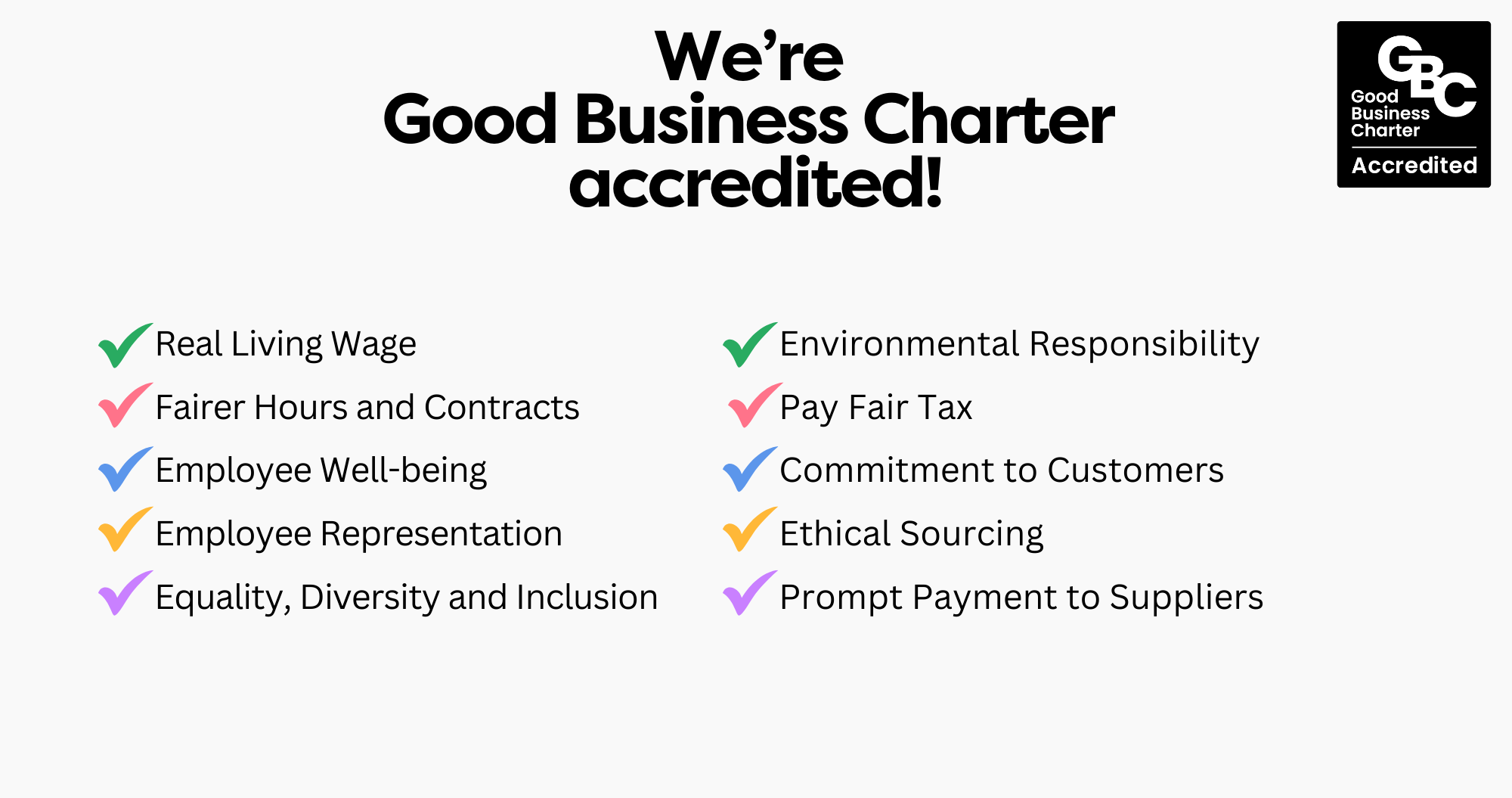
A&C Chartered Accountants earns ‘Good Business Charter’ accreditation showcasing commitment to sustainability

A&C Chartered Accountants, an independent accounting and business advisory firm with offices in Manchester, is proud to announce its accreditation by the Good Business Charter (GBC), further reinforcing our commitment to responsible business practices and sustainable growth.

This notable recognition reflects our dedication to ethical business conduct across all aspects of our work. The GBC accreditation is awarded to businesses that meet ten key components, which focus on critical areas such as employee welfare, environmental impact, and fair treatment of clients and suppliers. By embracing all ten principles, A&C Chartered Accountants ensures that we not only grow our business but do so responsibly, staying true to our values and long-term goals.

Katie Hoszowskyj, Sustainability Lead at A&C Chartered Accountants, expressed her thoughts on this achievement: “Securing the Good Business Charter accreditation is a proud moment for us. It underscores our commitment to putting people, clients, and our community at the heart of what we do. This accreditation reflects our efforts to create a diverse, inclusive, and safe work environment that fosters personal growth and development for everyone at A&C Chartered Accountants.”

For over a decade, A&C Chartered Accountants has been dedicated to operating as a responsible business. We have a dedicated internal team that assesses our environmental footprint and continually implements measures that help us become more sustainable. Our responsible business journey involves encouraging sustainable practices, being accountable for our environmental and social impact, and promoting these principles to our team, clients, and community.

Our sustainability framework is centred around three pillars: reducing environmental impact, enhancing social responsibility, and upholding ethical governance. As we grow, we recognise the need for sustainable expansion, making strategic decisions that benefit not only our business but also the environment and the people we serve.

The ten components of the Good Business Charter that we are committed to are:

  1. Real Living Wage – We pay all our employees a wage that reflects the cost of living, not just the government minimum.
  2. Fairer Hours and Contracts – We ensure secure, stable employment by providing guaranteed hours and avoiding exploitative contracts.
  3. Employee Well-being – We prioritise the mental and physical health of our employees, ensuring they feel supported and valued.
  4. Employee Representation – We give our employees a voice, encouraging open communication and feedback within the business.
  5. Diversity and Inclusion – We promote an inclusive workplace where diversity is celebrated, and everyone is treated with respect and fairness.
  6. Environmental Responsibility – We are committed to reducing our environmental impact, actively working towards more sustainable practices.
  7. Paying Fair Tax – We pay the taxes we owe and commit to full transparency in our tax affairs.
  8. Commitment to Customers – We always act in the best interest of our clients, delivering high-quality services with integrity.
  9. Ethical Sourcing – We ensure our suppliers uphold high ethical standards and that our supply chain reflects our values.
  10. Prompt Payment – We adhere to the Prompt Payment Code, ensuring we pay our suppliers on time and maintain strong relationships.

Achieving GBC status aligns with our wider responsible business goals, having also signed up to the Prompt Payment Code earlier this year. Additionally, A&C Chartered Accountants is proud to be part of a growing group of UK businesses that voluntarily pay the real Living Wage, ensuring that all our staff are paid fairly for their contributions.

Katie Hoszowskyj added, “We believe in working together towards a sustainable future. Whether it’s reducing our plastic usage or aligning our efforts with the UN Sustainable Development Goals, we are committed to transparency and consistency across all our operations. Our partnerships with charities further cement our dedication to social responsibility and giving back to the communities we serve.”

This accreditation by the Good Business Charter marks a pivotal moment in A&C Chartered Accountants’ sustainability journey. As we continue to grow, we remain focused on making responsible decisions, driving profit with purpose, and holding ourselves accountable to our sustainability objectives. Our strategic framework will guide us in fostering a fair, ethical, and inclusive culture, while making sustainable choices at every step.

Reducing Your SME’s Carbon Footprint in Manchester: A Guide to Bee Net Zero

Manchester is a city known for its innovation, community spirit, and commitment to sustainability. In recent years, Manchester has set ambitious goals to reduce its carbon emissions, and SMEs are a vital part of that journey. Whether you’re a small business owner in retail, manufacturing, or services, reducing your carbon footprint isn’t just about playing your part in tackling climate change—it’s about future-proofing your business, saving costs, and joining a growing movement of environmentally conscious enterprises.

A&C Chartered Accountants is proud to support Manchester SMEs on their sustainability journey, and one of the key initiatives driving change in the region is Bee Net Zero.

What Is Bee Net Zero?

Bee Net Zero is a collaborative initiative designed to help businesses across Greater Manchester reach net zero carbon emissions by 2038—12 years ahead of the UK’s national target. Spearheaded by the Greater Manchester Combined Authority, in partnership with leading organisations like The Growth Company and Manchester’s business community, the Bee Net Zero initiative provides practical resources and guidance to help local businesses, including SMEs, reduce their carbon footprints.

For SMEs in Manchester, this initiative represents an incredible opportunity to lead the charge in decarbonisation while benefiting from the resources and support that Bee Net Zero provides.

Why Should Manchester SMEs Care About Their Carbon Footprint?

For many small businesses, reducing carbon emissions might feel like a challenge, but it brings significant rewards. Here’s why tackling your carbon footprint matters:

  • Meet Customer Expectations: Consumers and clients are increasingly seeking out businesses that prioritise sustainability. By actively reducing your carbon footprint, your SME can attract a new wave of eco-conscious customers.
  • Stay Ahead of Regulation: With more stringent climate legislation on the horizon, reducing your carbon emissions now means your business will be ahead of the curve when it comes to future compliance requirements.
  • Improve Efficiency & Cut Costs: Lowering your carbon emissions often goes hand-in-hand with improving efficiency. From cutting down on energy use to reducing waste, these changes can have a direct impact on your bottom line.
  • Join the Manchester Movement: By getting involved in initiatives like Bee Net Zero, you’ll be part of a wider community of businesses all working towards a common goal—making Manchester one of the greenest cities in the UK.

How to Start Measuring Your SME’s Carbon Footprint

Before you can reduce your carbon footprint, you need to know where you stand. This begins with calculating the carbon emissions your business generates. The main sources of emissions for most SMEs come from:

  • Energy consumption (electricity, heating, and cooling)
  • Business travel (vehicle emissions, flights, public transport)
  • Supply chain emissions (goods and services purchased)
  • Waste production (waste sent to landfill, recycling)

By gathering data on your energy usage, travel habits, and waste, you can begin to understand your current impact and set measurable goals to reduce emissions. Many Manchester-based businesses are already taking these steps as part of the Bee Net Zero initiative, using free tools and resources provided to track their emissions.

Bee Net Zero: Helping Manchester’s SMEs Lead the Way

The Bee Net Zero initiative offers a range of support services tailored to SMEs, including:

  1. Carbon Footprint Calculators: Bee Net Zero provides businesses with access to tools that help calculate their current carbon footprint, giving you a clear starting point for improvement.
  2. Energy Efficiency Guidance: Through the initiative, SMEs can access energy audits to identify opportunities to improve energy efficiency, reduce waste, and cut down on costs.
  3. Support for Renewable Energy Adoption: Transitioning to renewable energy is one of the most effective ways to decarbonise. Bee Net Zero connects businesses with suppliers and advisors to help switch to renewable energy sources, like solar power, at a manageable cost.
  4. Sustainability Grants & Funding: There are grants and financial incentives available to SMEs that are serious about reducing their carbon footprints. Bee Net Zero partners with organisations that provide financial support to help cover the costs of energy-efficient upgrades and renewable energy installations.
  5. Collaboration Opportunities: Bee Net Zero encourages collaboration across sectors, enabling businesses to share best practices, network, and create partnerships with like-minded organisations.

The Road to Net Zero: Practical Steps for Your SME

If you’re an SME in Manchester, there’s never been a better time to commit to reducing your carbon footprint. Here are some practical steps to get started:

1. Perform an Energy Audit

Identify where your business is using the most energy. This could be lighting, heating, or specific equipment. Once you’ve pinpointed the biggest energy drains, you can take steps to reduce consumption by upgrading to more energy-efficient systems or changing your habits.

2. Transition to Green Energy

Switching to a renewable energy provider is one of the simplest and most impactful ways to reduce your carbon emissions. Many suppliers now offer affordable green energy tariffs that are accessible to SMEs.

3. Encourage Sustainable Transport

Reduce business travel emissions by encouraging the use of public transport, carpooling, or even investing in electric vehicles for your company fleet.

4. Minimise Waste

Implement recycling schemes, reduce packaging, and find ways to repurpose materials within your supply chain. Waste management is a significant part of reducing your overall carbon footprint.

5. Engage Your Team

Sustainability works best when it’s embedded in your company culture. Educate your employees about the importance of reducing emissions and create a workplace that supports sustainable practices—whether that’s through reducing office waste or promoting energy-efficient behaviour.

Need more information?

At A&C Chartered Accountants, we’re not just accountants; we’re your partners in success. Based in Manchester, our experienced team handles everything from managing limited company and sole trader accounts to expertly navigating tax returns. Beyond financials, we play a crucial role in driving your business’s growth, strategically steering it towards success with confidence and clarity.

See what our clients say

VAT on the costs of selling a subsidiary

When a holding company sells shares in a subsidiary, the VAT incurred on the professional fees involved would normally be irrecoverable, on the basis that a sale of shares is an exempt supply.

In a recent case a hotel group argued that a subsidiary was sold in order to finance the completion of construction of a new hotel and that there was a direct and immediate link between the raising of the funds and the group’s downstream activities of operating hotels. The Tax Tribunals were satisfied the VAT on the professional fees associated with the share sale was a general overhead of the group’s business and could be recovered as input tax. Based on the Upper Tribunal decision many other groups were advised to make protective claims for the recovery of input tax.

Unfortunately, the Court of Appeal have now rejected the taxpayers arguments and found in favour of HMRC, thus denying recovery of input tax on the associated professional fees in connection with the share disposal as that is an exempt supply.

Need more information?

We offer a wide range of services which are unique to your business. Our team of chartered accountants have a wealth of experience in a broad range of sectors, from construction and property to the charity sector. Our team work hard to ensure they create smart and effective tax-efficient solutions for start-ups to optimise growth and help them succeed. If you want to learn more about how the team can help or simply want some start-up advice from a trusted accountant do hesitate to contact us. For more information please do hesitate to contact us on 0161 962 1855. Alternatively you can email us using the form below and we will contact you as soon as possible.

Our fantastic team at A&C Chartered Accountants are here to help.

What is a pool car?

The conditions for a company car to be treated as a pool car are set out in the employment income legislation:

(a)      the car was made available to, and actually used by, more than one employee,

(b)      the car was made available, in the case of each of those employees, by reason of the employee’s employment,

(c)      the car was not ordinarily used by one of those employees to the exclusion of the others,

(d)      in the case of each of those employees, any private use of the car made by the employee was merely incidental to the employee’s other use of the car in that year, and

(e)      the car was not normally kept overnight on or in the vicinity of any residential premises where any of the employees was residing, except while being kept overnight on premises occupied by the person making the car available to them.

Need more information?

We offer a wide range of services which are unique to your business! Our team of chartered accountants have a wealth of experience in a broad range of sectors, from construction and property to the charity sector. Our team work hard to ensure they create smart and effective tax-efficient solutions for start-ups to optimise growth and help them succeed. If you want to learn more about how the team can help or simply want some start-up advice from a trusted accountant do hesitate to contact us. For more information please do hesitate to contact us on 0161 962 1855. Alternatively you can email us using the form below and we will contact you as soon as possible.

Our fantastic team at A&C Chartered Accountants are here to help.

HMRC official rate of interest remains at 2.25%

HMRC have announced that the official rate of interest will remain at 2.25% for 2024/25, despite the Bank of England Base Rate currently standing at 5.25%. The official rate of interest is used to calculate the income tax charge on the benefit of employment related loans and the taxable benefit of some employment related living accommodation. These rates used to fluctuate in line with base rate, and changed several times a year, but in recent years HMRC has fixed the rate for the whole tax year making the calculation of the taxable benefit easier to compute.

For those employers including beneficial loans on form P11d for 2023/24 the official rate to be used is 2.25%.  The charge applies where the amount of the loan exceeds £10,000.

HMRC have announced that the official rate of interest will remain at 2.25% for 2024/25, despite the Bank of England Base Rate currently standing at 5.25%. The official rate of interest is used to calculate the income tax charge on the benefit of employment related loans and the taxable benefit of some employment related living accommodation. These rates used to fluctuate in line with base rate, and changed several times a year, but in recent years HMRC has fixed the rate for the whole tax year making the calculation of the taxable benefit easier to compute.

For those employers including beneficial loans on form P11d for 2023/24 the official rate to be used is 2.25%.  The charge applies where the amount of the loan exceeds £10,000.

Should director/Shareholders take advantage of this lower rate?

As mentioned above the HMRC rate of interest on beneficial loans looks very attractive compared to the Bank of England Base rate of 5.25%, and much higher rates charged by banks for unsecured loans.

Note that where loans are made to participators (broadly shareholders) of a close company there is potentially a special tax charge on the company on any loan still outstanding 9 months after the end of the accounting period. The charge is currently 33.75%, the same as the higher rate of tax on dividend income. This tax charge is only repaid to the company after the loan to the participator is repaid or written off.

For example, Fred, the managing director and controlling shareholder of Bloggs Ltd is loaned £100,000 interest free on 6 April 2023. No repayments are made in the year ended 31 March 2024.

The company would need to show a taxable benefit in kind on Fred’s 2023/24 P11d of £2,250 (2.25%)

If Fred repays the loan in full before 31 December 2024 there would be no special charge on the company although Fred would be assessed on the beneficial loan for the 9 months that the loan was in existence in 2024/25.

Note that there are anti- “bed and breakfast” rules to counteract the situation where the loan is readvanced by the company. The anti-avoidance would not apply where the loan is cleared by crediting a bonus or dividend to Fred’s loan account.

If however, only £60,000 was repaid by Fred before 31 December 2024 leaving £40,000 outstanding then there would be a tax charge on the company of £13,500 (assuming 33.75% dividend rate continues) which would be payable in addition to the company’s corporation tax liability for year ended 31 March 2024.

The company would show a taxable benefit in kind on Fred’s 2024/25 P11d based on the official rate of interest on beneficial loans for 2024/25.

If the company then decides to write off or waive the outstanding loan in year ended 31 March 2025 the £13,500 would be refunded. However, Fred would be assessed on the £40,000 as an income distribution (dividend) arising at the date of waiver in 2024/25.

Need more information?

We offer a wide range of accountancy services for businesses who are just getting going!

Our team work hard to ensure they create smart and effective tax-efficient solutions for start-ups to optimise growth and help them succeed. If you want to learn more about how the team can help or simply want some start-up advice from a trusted accountant, don’t hesitate to contact us.

Should employees reimburse their employer for private fuel?

Where a company car is provided for use by an employee or director there is a benefit in kind taxable on the employee based on the original list price of the vehicle multiplied by the CO2 emissions percentage for that vehicle. There is an additional benefit in kind where private fuel is paid for by the employer, which also needs to be reported on form P11d unless the employer has arranged with HMRC to deal with the tax on the  benefits via monthly payroll.

Note that unless the employee fully reimburses the employer for private mileage, the additional benefit in kind is based on a notional list price of £27,800 multiplied by the CO2 emissions percentage for that vehicle.  That could be as much as 37%, £10,286 for a car with high CO2 emissions. That would mean £4,114 income tax for a higher rate taxpayer. That would be an awful lot of fuel!

In addition, there would be £1,419 class 1A national insurance contributions payable by the employer.

The table at the end of this newsletter sets out the HMRC advisory fuel rates that apply from 1 June 2024. These are published quarterly these days due to the volatility in petrol and diesel prices in recent years.

Note that this is an all or nothing benefit and, unless there is full reimbursement, there is an additional taxable benefit. The deadline for reimbursing private fuel is 6 July 2024 for the 2023/24 tax year.

Need more information?

We offer a wide range of services which are unique to your businesses who are just getting going! Our team of chartered accountants have a wealth of experience in a broad range of sectors, from construction and property to the charity sector. Our team work hard to ensure they create smart and effective tax-efficient solutions for start-ups to optimise growth and help them succeed. If you want to learn more about how the team can help or simply want some start-up advice from a trusted accountant do hesitate to contact us. For more information please do hesitate to contact us on 0161 962 1855. Alternatively you can email us using the form below and we will contact you as soon as possible.

Our fantastic team at A&C Chartered Accountants are here to help.

P11D form: Report employee benefits by 6 July

P11d forms for reporting expenses and benefits in kind provided to employees and directors in 2023/24 need to be submitted by 6 July 2024. Note that paper forms are no longer acceptable; the return must be made online using PAYE Online for employers or commercial software.

Remember that reimbursed expenses no longer need to be reported where they are incurred wholly, exclusively and necessarily in the performance of the employee’s duties. Dispensations from reporting are no longer required, although HMRC would expect internal controls to be in place to ensure that the expenses qualify.

Note also that trivial benefits of no more than £50 provided to employees need not be reported. This typically covers non-cash gifts to employees at Christmas and on their birthdays and can include gifts of food and alcohol. Again, the employer needs to keep a record of the benefit provided and the justification. It should not be provided as a reward for past or future service.

Need more information?

Need help with P11d forms and PAYE?

Our team provides payroll advice for companies across all sectors, from charities to construction firms.

If you want to learn more about how the team can help, or simply want some start-up advice from a trusted accountant, don’t hesitate to contact us on 0161 962 1855. Alternatively, you can email us using the form below and we will contact you as soon as possible.

Tax Relief Under The Enterprise Investment Scheme (EIS)

Are you looking to reduce your tax bill?

As a forward-thinking accountancy firm, we pride ourselves on finding the best ways to become more tax efficient. We aim to save our clients more money on tax than they spend on our fixed fees.

With this in mind, two such opportunities in recent years are the Enterprise Investment Scheme (EIS) and the Seed Enterprise Investment Scheme (SEIS).

In this article, we’ll explore both options and explain how you can significantly reduce your tax bill.

What is the Enterprise Investment Scheme?

The idea behind the Enterprise Investment Scheme (EIS) is simple. The UK government wants to encourage private investment into smaller companies to aid their growth and stimulate the British economy. The EIS is their means of doing that by providing a generous tax relief to qualifying investors.

Which companies are eligible for EIS?

To be eligible for EIS, companies:

  • Must be unlisted (not on the main London Stock Exchange, or any other)
  • Must not be controlled by another company
  • Must not control any non-qualifying subsidiaries
  • Must have gross assets of ≤ £15 million before investment and ≤ £16 million after
  • Must have fewer than 250 employees
  • Must not raise more than £5 million per year under EIS/SEIS/VCT combined, and no more than £12 million total
  • Must have a permanent base in the UK
  • Must not have been trading for more than seven years

The rules and thresholds change slightly for knowledge-intensive companies.

If you’re a business owner and you think your company may qualify for investment under the scheme, we suggest reading the excellent guide from the British Business Bank to learn more about applying.

What tax relief do EIS investors receive?

If you invest in an EIS-qualifying company, you can get quite substantial tax reliefs.

Income tax relief

As long as you’re not connected with the company, you can claim income tax relief of 30% of the amount that you invest in qualifying EIS companies. This is up to a limit of £1 million each tax year (or up to £2 million if at least £1 million of that is invested in knowledge-intensive companies). Thus, a £10,000 investment would result in a £3,000 reduction in your income tax liability.

The connected persons tests are complicated. For example, directors cannot claim EIS tax relief if, at the time the shares are issued, they are a paid director of the company unless the payment is a ‘permitted payment’. They may, however, become a paid director after their investment under the ‘business angel’ rule.

Capital gains exemption

The value of your investment may grow over time if the business you choose is successful. Normally, this would incur a capital gains tax liability, should you decide to sell.

However, capital gains from EIS-qualifying companies are exempt from tax, provided that:

  • The shares are held for at least 3 years
  • The company still qualifies for EIS

Loss relief

The EIS scheme is for startups and early-stage businesses. Naturally, many of these types of businesses fail. So, first and foremost, please be careful and seek professional advice before proceeding with any investment.

However, if your investment fails, then you can offset your loss against income tax.

Capital gains deferral

If you have a wider portfolio of investments, it’s possible to defer capital gains on any asset disposal within your portfolio by reinvesting the gain in qualifying EIS shares.

Inheritance tax relief

After 2 years, EIS shares qualify for Business Relief. This means the shares will qualify for relief from inheritance tax if you were to pass away.

This used to be 100% relief, but from April 2026, that will be limited to the first £1 million of qualifying assets. The remainder will be eligible for 50% relief.

That means, if you held £2 million worth of EIS shares upon passing:

  • The first £1 million qualifies for 100% Business Relief, so it’s completely exempt from inheritance tax for your beneficiaries.
  • The remaining £1 million qualifies for 50% relief, so only £500,000 is chargeable to inheritance tax.
  • At the standard IHT rate of 40%, your estate would face a tax bill of £200,000 on those shares, instead of £800,000 if there were no relief at all.

What is the Seed Enterprise Investment Scheme?

The Seed Enterprise Investment Scheme (SEIS) takes the principle of the EIS a step further. It allows investors to put their money into very early-stage, “seed” companies. This comes with even greater tax reliefs, but it’s also much riskier.

Which companies are eligible for SEIS?

SEIS-eligible companies are much smaller in scale compared to EIS-eligible companies. To be eligible for SEIS, companies:

  • Must be unlisted (not on the main London Stock Exchange, or any other)
  • Must not be controlled by another company, or have ever been so
  • Must not control any non-qualifying subsidiaries
  • Must have gross assets of ≤ £350,000 before investment
  • Must have fewer than 25 employees
  • Must not have previously raised money from the Enterprise Investment Scheme (EIS) or from a venture capital trust (VCT)
  • Must have a permanent base in the UK
  • Must not be a member of a partnership

What tax relief do SEIS investors receive?

If you invest in an SEIS-qualifying company, you can get much larger tax reliefs, although the total investment allowance is capped at £200,000 per year.

Income tax relief

Again, you must not be connected to the company to claim income tax relief under SEIS.

But as long as you meet the criteria, you can claim income tax relief of 50% of the amount that you invest in qualifying SEIS companies. Thus, a £200,000 investment would result in a £100,000 reduction in the investor’s income tax liability.

Capital gains exemption

Same as with EIS shares, any growth in the value of your investment is exempt from capital gains tax provided that:

  • The shares are held for at least 3 years
  • The company still qualifies for SEIS

Loss relief

If your investment fails, then you can offset your loss against income tax.

For example, say you invest £20,000 in a SEIS company. You immediately get £10,000 back as 50% income tax relief. If the company fails, you can claim loss relief on the remaining £10,000. At 45% tax, this gives you £4,500 back. So your real loss is only £5,500, not the full £20,000.

Capital gains reinvestment relief

Under SEIS, you can claim 50% capital gains tax (CGT) reinvestment relief. This means if you realise a gain elsewhere (say £10,000 from selling shares) and reinvest it into SEIS, half of that gain (£5,000) becomes exempt from CGT, reducing your tax bill. Remember that any profit you make when selling your SEIS shares after 3 years is completely free from CGT, so this an effective route for reducing CGT liabilities long-term (but carries a high level of risk).

Inheritance tax relief

After 2 years, SEIS shares qualify for Business Relief. This means the shares will qualify for 100% relief from inheritance tax if you were to pass away.

The same IHT relief rules apply for SEIS as they do for EIS.

Need more information?

We offer a wide range of services for individuals and businesses interested in tax-efficient investments.

If you want to learn more about how the team can help or simply want some start-up advice from a trusted accountant, please don’t hesitate to contact us for a free consultation.

Official rate of interest for 2024/25 remains at 2.25%

HMRC have confirmed that the official rate of interest for employee and directors’ beneficial loans remains at 2.25% for 2024/25, despite a Bank of England base interest rate of 5.25%.

This means that where the employer lends an employee more than £10,000, the taxable benefit would be the difference between 2.25% and the amount paid on the outstanding loan.

Need more information?

We offer a wide range of services which are unique to your businesses who are just getting going! Our team of chartered accountants have a wealth of experience in a broad range of sectors, from construction and property to the charity sector. Our team work hard to ensure they create smart and effective tax-efficient solutions for start-ups to optimise growth and help them succeed. If you want to learn more about how the team can help or simply want some start-up advice from a trusted accountant do hesitate to contact us. For more information please do hesitate to contact us on 0161 962 1855. Alternatively you can email us using the form below and we will contact you as soon as possible.

Our fantastic team at A&C Chartered Accountants are here to help.

Late night taxis paid by employers

Payments by the employer for taxis to take employees home late or at night are exempt from tax if:

  • the failure of car sharing arrangements conditions are satisfied (see below); or
  • all 4 late night working conditions are satisfied; and
  • the number of such journeys for which a taxi has been provided for that employee in the tax year is no more than 60.

There are 4 late working conditions, all of which must be satisfied.

  1. The employee is required to work later than usual and until at least 9pm.
  2. This occurs irregularly.
  3. By the time the employee ceases work, either:
    1. public transport has ceased, or
    2. it would not be reasonable to expect the employee to use public transport.
  4. The transport is by taxi or similar road transport – this condition is not contentious and is not referred to again in this guidance.

The 60 journeys is a single limit that applies to late night journeys and failure of car sharing arrangements together. This means that journeys under both headings must be added together when working out whether or not the 60 journeys limit has been reached.

Need more information?

We offer a wide range of services which are unique to your businesses who are just getting going! Our team of chartered accountants have a wealth of experience in a broad range of sectors, from construction and property to the charity sector. Our team work hard to ensure they create smart and effective tax-efficient solutions for start-ups to optimise growth and help them succeed. If you want to learn more about how the team can help or simply want some start-up advice from a trusted accountant do hesitate to contact us. For more information please do hesitate to contact us on 0161 962 1855. Alternatively you can email us using the form below and we will contact you as soon as possible.

Our fantastic team at A&C Chartered Accountants are here to help.

HMRC publish updated guidance on work travel

HMRC publish updated guidance on work travel

Travelling from home to an employee’s normal workplace does not qualify for tax relief. This is referred to as “ordinary commuting and, furthermore, if the costs of the journey are reimbursed by the employer, those costs are taxable. There are exceptions to this rule, in particular where the employer pays for the employee to travel home in a taxi safely late at night.

Travelling to a “temporary workplace” is a qualifying business journey and, where the costs are reimbursed by the employer, there is no taxable benefit. Note also that any associated subsistence costs such as overnight hotel accommodation costs are also a tax-free benefit. HMRC Booklet 490 provides detailed guidance on employee travel, together with comprehensive examples (this is an online document these days).

With more and more employees working from home these days, for at least one day a week, attention should be paid to the latest HMRC guidance on such arrangements.

Need more information?

We offer a wide range of services which are unique to your businesses who are just getting going! Our team of chartered accountants have a wealth of experience in a broad range of sectors, from construction and property to the charity sector. Our team work hard to ensure they create smart and effective tax-efficient solutions for start-ups to optimise growth and help them succeed. If you want to learn more about how the team can help or simply want some start-up advice from a trusted accountant do hesitate to contact us. For more information please do hesitate to contact us on 0161 962 1855. Alternatively you can email us using the form below and we will contact you as soon as possible.

Our fantastic team at A&C Chartered Accountants are here to help.

Get ready for more research and development changes

Get ready for more R&D changes

On top of the major changes to research and development (R&D) tax relief that took effect from 1 April 2023 there are yet more changes that take effect from 1 April 2024.

For accounting periods commencing on or after 1 April 2024, companies carrying out qualifying R&D will be entitled to a 20% expenditure credit. The 20% is calculated on the amount of qualifying expenditure. Qualifying expenditure is extended to include subsidised expenditure from 1 April 2024, although R&D carried out overseas will no longer qualify unless the work cannot be undertaken in the UK.

“R&D intensive” companies that make trading losses will continue to be entitled to a tax refund instead of the expenditure credit. The definition of “R&D intensive” is reduced from 40% to 30% from 1 April 2024 which means a company that spends at least 30% of total expenditure on qualifying R&D will now be entitled to the more generous tax refund.

R&D tax relief continues to be a complex area and we can work with you to help you prepare a valid claim as HMRC are now scrutinising and rejecting an increasing number of claims.

Need more information?

Our team works hard to ensure they create smart and effective tax-efficient solutions for our clients.

If you want to learn about how we can help you claim R&D tax relief, or simply want some tax advice you can trust, then please don’t hesitate to contact us. You can fill out a form below or call us on 0161 962 1855.

HMRC publish more details for MTD for income tax reports

HMRC publish more details for MTD for income tax reports

Making Tax Digital for income tax self-assessment is scheduled to commence in 2026/27 for sole traders and property landlords with gross income of £50,000 or more, and the threshold then reduces to £30,000 from 2027/28.

The government have now confirmed that the four quarterly returns that will need to be submitted will report cumulative income and expenses and that there will be no longer be an end of period statement. HMRC have published the detailed income and expenditure headings that need to be reported and have also confirmed that those businesses with turnover below the VAT registration threshold will be able to merely submit three line accounts, i.e. total sales, total expenses and profit or loss for the period.

There still remain a number of issues to be resolved before the new reporting obligation commences and we will work with you to ensure that your accounting system is compliant.

Need more information?

We offer a wide range of services which are unique to your businesses who are just getting going! Our team of chartered accountants have a wealth of experience in a broad range of sectors, from construction and property to the charity sector. Our team work hard to ensure they create smart and effective tax-efficient solutions for start-ups to optimise growth and help them succeed. If you want to learn more about how the team can help or simply want some start-up advice from a trusted accountant do hesitate to contact us. For more information please do hesitate to contact us on 0161 962 1855. Alternatively you can email us using the form below and we will contact you as soon as possible.

Our fantastic team at A&C Chartered Accountants are here to help.

Changes to the basis of Assessment

The method of taxing the profits of unincorporated businesses changed significantly in 2023/24 and will also change from 2024/25 onwards. This was originally intended to align with the introduction of Making Tax Digital for Income Tax Self-Assessment (MTDITSA), which will now start to be phased in from 2026/27.

Under the old basis of taxing profits, a sole trader or member of a partnership was taxed on their share of profits of the business’s accounting period ending in the tax year. For 2022/23, the last tax year when that basis applied, profits of year ended 31 December 2022 would have been taxed that tax year. Unless that business changes its accounting date, the profits assessed in 2024/25 would be the profits arising between 6 April 2024 and 5 April 2025 i.e. 9 months of the profits from year ended 31 December 2024 plus 3 months of the profits for year ended 31 December 2025. As the 2024/25 self-assessment tax return needs to be filed by 31 January 2026, it is highly likely that the profits for the later period would need to be estimated and subsequently revised. As a result of this complication, many businesses decided to change their accounting year end to 31 March or 5 April so that it corresponds with the tax year.

The Transitional Year 2023/24

A further complication with the change in the basis of assessment is the calculation of profits in 2023/24, the “transitional year”, which seeks to transition from the old ‘current year’ basis to the new tax year basis. The rules in 2023/24, where the business has a year end that doesn’t correspond with the tax year, seek to tax the profits from the day after the end of the period taxed in 2022/23 until 5 April 2024. A business preparing accounts to 31 December each year would have a 15 month period from 1 January 2023 to 5 April 2024 potentially taxable in 2023/24. However, the 3 months’ profits in the period 1 January 2024 to 5 April 2024, less any overlap relief, is not all taxed in 2023/24 but spread over 5 years, unless the taxpayer elects to be taxed on a higher amount.

If, in the above example, the sole trader makes profits of £120,000 in year ended 31 December 2024 then £30,000 less any overlap relief (typically from the early years when some profits were taxed twice) would be spread over 5 years. Assuming no overlap relief, an extra £6,000 profits would be added to the profits assessable from 2023/24 to 2027/28 unless the individual elects to be assessed on a higher amount, in which case the balance of the £30,000 would then be spread over the remaining years to 2027/28. This is not at all straightforward and we can work with you to calculate the transitional profits and advise you of your tax liabilities going forward.

Need more information?

We offer a wide range of services which are unique to your businesses who are just getting going! Our team of chartered accountants have a wealth of experience in a broad range of sectors, from construction and property to the charity sector. Our team work hard to ensure they create smart and effective tax-efficient solutions for start-ups to optimise growth and help them succeed. If you want to learn more about how the team can help or simply want some start-up advice from a trusted accountant do hesitate to contact us. For more information please do hesitate to contact us on 0161 962 1855. Alternatively you can email us using the form below and we will contact you as soon as possible.

Our fantastic team at A&C Chartered Accountants are here to help.